
Understanding Weight Loss: The Basics
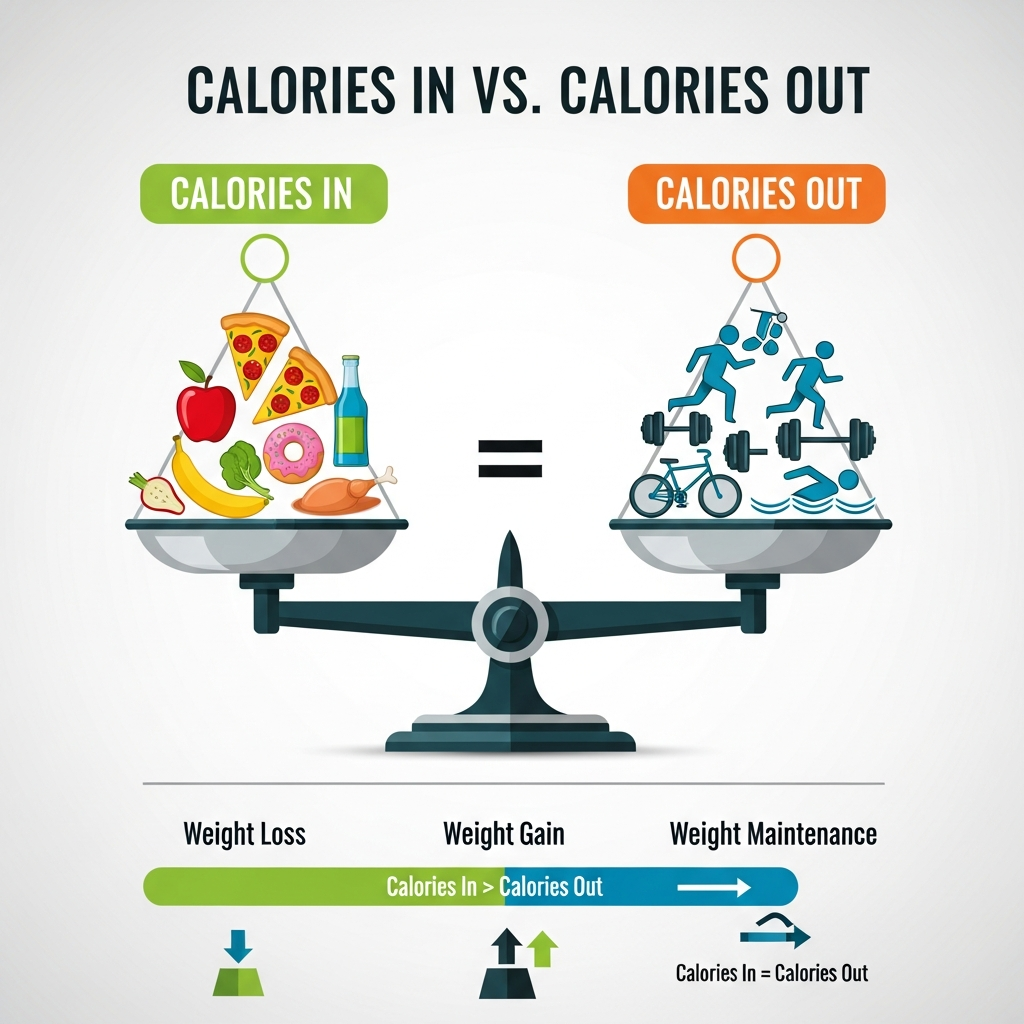
Weight loss is fundamentally based on the principle of calorie balance, which refers to the relationship between calories consumed and calories expended. To lose weight, an individual must create a caloric deficit, meaning they consume fewer calories than their body needs for maintaining its current weight. This deficit forces the body to utilize stored fat as energy, leading to weight reduction over time.
Metabolism plays a crucial role in this process, as it encompasses all biochemical reactions that occur in the body to maintain life, including those that convert food into energy. Basal metabolic rate (BMR), which estimates the number of calories burned at rest, is a critical component of metabolism. Factors influencing BMR include age, gender, body composition, and genetic factors. Generally, younger individuals tend to have a higher metabolic rate, while muscle mass contributes positively to metabolic efficiency. Therefore, individuals with higher muscle mass burn more calories, even during periods of inactivity.
Age is another factor that significantly impacts weight loss. As people age, metabolic rate often decreases, and recognition of this change is vital for effective weight management strategies. Additionally, hormonal variations, particularly in women during and after menopause, can influence weight loss efforts, making it essential for strategies to adapt accordingly. Furthermore, gender distinctions in body composition—typically, women have a higher fat percentage compared to men—also affect how weight loss occurs.
Other factors, such as lifestyle, dietary habits, and physical activity levels, can further influence weight loss outcomes. Understanding these basic principles is essential, as they lay the groundwork for more advanced strategies that will be discussed in subsequent sections of this guide. By acknowledging the importance of calorie balance and metabolism, readers can better navigate their weight loss journey towards achieving their desired results.
Effective Dietary Strategies for Rapid Weight Loss

Implementing effective dietary strategies is crucial for achieving rapid weight loss. One prominent approach is adopting a high-protein diet. Recent studies have shown that increased protein intake can enhance satiety, reduce cravings, and promote muscle retention while losing fat. Foods rich in protein, such as lean meats, poultry, fish, eggs, legumes, and dairy products, should be prioritized as part of a weight loss plan. By incorporating these foods, individuals often find it easier to manage their caloric intake and maintain a healthy weight.
Another effective strategy is reducing carbohydrate intake. Many popular diets advocate for lower carbohydrates as a means to eliminate excess body fat quickly. By focusing on complex carbohydrates such as whole grains and minimizing refined carbs, people can stabilize blood sugar levels, which can help reduce hunger and improve energy levels. Additionally, some diets recommend limiting sugars and processed foods, which often contribute to weight gain and hinder weight loss efforts.
Meal planning plays a vital role in achieving weight loss goals. Creating a structured meal plan can help individuals remain focused and committed to their dietary choices. Preparing meals in advance allows for better control of portion sizes and prevents unhealthy eating on impulse. It is also essential to stay hydrated. Drinking sufficient water throughout the day aids in digestion and metabolism, and it helps prevent misinterpreting thirst as hunger.
In recent years, several diets, such as intermittent fasting and the ketogenic diet, have gained popularity for their effectiveness in promoting rapid weight loss. Intermittent fasting involves cycles of eating and fasting, which may improve metabolic health and facilitate weight loss. The ketogenic diet, characterized by high fat and low carbohydrate intake, can lead to a state of ketosis, where the body burns fat for energy. While both diets can be effective, it is important to consider individual preferences and potential risks associated with long-term adherence.
The Role of Exercise in Fast Weight Loss

Exercise plays a pivotal role in achieving rapid weight loss, acting as a catalyst to enhance the results of dietary changes. Engaging in physical activity not only burns calories but also supports metabolic processes, making the body more efficient in utilizing stored fat for energy. There are various types of exercises that can significantly contribute to fast weight loss, each with its unique benefits.
Cardiovascular exercises, commonly referred to as cardio, include activities such as running, cycling, and swimming. These exercises elevate the heart rate, promoting an increased calorie burn that can lead to weight loss. Cardio workouts are beneficial for burning excess calories and improving cardiovascular health, making them essential in any weight loss regimen.
In contrast, strength training focuses on building muscle mass, which can boost metabolism. Muscles burn more calories at rest compared to fat, meaning that increasing muscle mass can result in sustained weight loss over time. Resistance exercises, such as weight lifting or bodyweight workouts, not only help in toning the body but also contribute to a more robust metabolic rate.
High-Intensity Interval Training (HIIT) is another effective exercise modality for fast weight loss. This approach alternates periods of intense exercise with short recovery times, significantly boosting the calorie burn and metabolic rate post-workout. HIIT can be particularly advantageous for individuals with limited time, as sessions can be completed in a shorter duration while still yielding substantial results.
For those with busy lifestyles, incorporating exercise can be seamlessly integrated into daily routines. Short workouts, walking, or taking the stairs instead of the elevator are practical strategies that can enhance physical activity levels. Creating a balanced workout routine that combines the various forms of exercise mentioned above can greatly complement dietary changes and lead to effective weight management.
Staying Motivated and Overcoming Challenges

Maintaining motivation during a weight loss journey can be as crucial as the strategies employed for quick results. Setting realistic, attainable goals is fundamental in this process. It is advisable to break down your ultimate weight loss objective into smaller, manageable milestones. For instance, rather than aiming to lose a significant amount of weight all at once, setting a target of one to two pounds per week can foster a sense of achievement and encourage adherence to your plan.
Tracking progress is another essential element. Utilizing tools such as food diaries, mobile applications, or fitness trackers can help individuals stay accountable and visualize their achievements. Documenting food intake and exercise routines not only promotes self-awareness but also enables identification of patterns that may require adjustments. Regularly reviewing this data can provide valuable insights into what strategies are effective and which may need refinement.
However, challenges are an inevitable part of any weight loss journey. Plateaus, where weight loss stagnates, can be particularly disheartening. When faced with this setback, it is important to reassess dietary habits and exercise routines. Incorporating variety, such as changing workout intensity or trying new recipes, can reignite progress. Additionally, seeking support from peers or professionals can provide encouragement and share valuable advice. Emotional eating is another significant hurdle; understanding triggers associated with stress or boredom can facilitate the development of healthier coping mechanisms, such as engaging in hobbies or mindfulness practices.
Ultimately, maintaining a positive mindset is crucial in overcoming obstacles. Celebrating small victories, practicing self-compassion, and focusing on overall health rather than solely on physical appearance can enhance emotional wellness and increase resilience. By employing these strategies, individuals can sustain motivation and navigate the challenges of their weight loss journey more effectively.