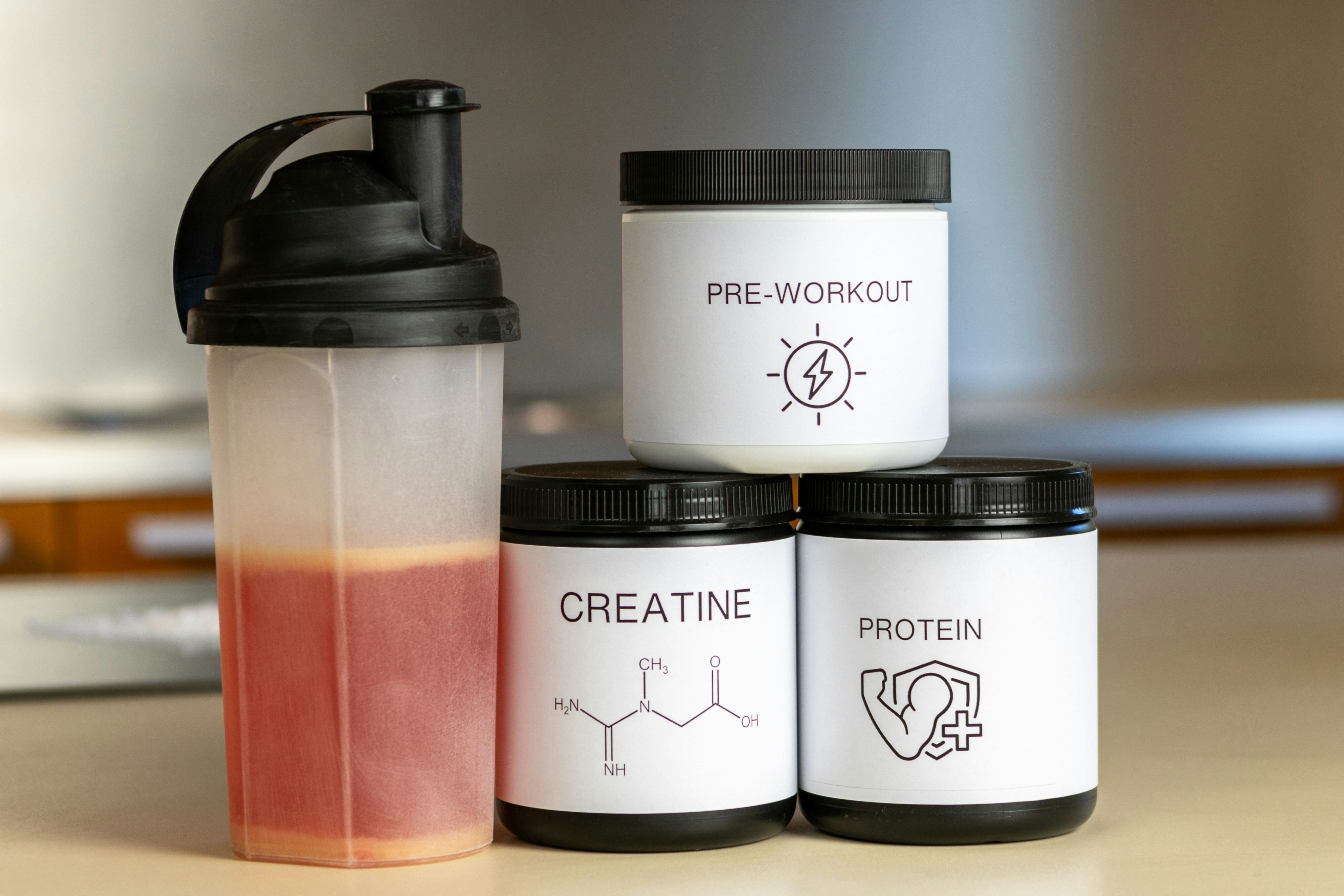
Understanding Muscle Gain and Protein’s Role
Muscle gain, a critical aspect of fitness and strength training, revolves around the concepts of muscle hypertrophy and protein synthesis. Muscle hypertrophy refers to the growth of muscle fibers in response to resistance training, while protein synthesis is the biological process through which cells generate new proteins. The significance of protein in this process cannot be overstated—adequate protein intake is essential for repairing damaged tissues and facilitating muscle recovery following intense workouts.
Protein is composed of amino acids, which are the building blocks of muscle. There are 20 different amino acids, nine of which are essential, meaning they must be obtained through diet. When an individual engages in weight training or other forms of resistance exercises, microtears occur within muscle fibers. The repair process necessitates a sufficient supply of amino acids to repair these fibers, resulting in muscle growth. Therefore, proteins play a pivotal role in muscle recovery and the overall effectiveness of resistance training.
The relationship between protein intake and muscle mass is well-established in the field of sports nutrition. Research shows that consuming an adequate amount of protein, especially around the time of and following exercise, can enhance muscle protein synthesis. For those looking to build muscle, a general guideline suggests that active individuals should aim for a protein intake ranging from 1.2 to 2.0 grams per kilogram of body weight. Higher protein consumption not only supports muscle gain but also improves overall fitness and performance by providing the necessary energy and nutrients needed for intense workouts.
In summary, understanding the role of protein in muscle gain highlights its intrinsic value in any fitness regimen. A well-rounded diet that incorporates sufficient protein can significantly impact one’s progress in developing muscle mass and improving physical performance.
Types of Protein Sources for Muscle Building
When it comes to muscle building, the choice of protein sources plays a crucial role in one’s diet. Protein sources can primarily be categorized into two main types: animal-based proteins and plant-based proteins, each with their distinct nutritional content.
Animal-based Proteins: These proteins are derived from animal sources and are known to be complete proteins, meaning they contain all nine essential amino acids that the body cannot synthesize. Common sources include chicken, beef, fish, eggs, and dairy products. Chicken, for instance, is a lean source of protein that is low in fat, while fish, especially fatty varieties like salmon, provide additional heart-healthy omega-3 fatty acids. Eggs are an excellent source of high-quality protein and are often considered a gold standard. Dairy products such as Greek yogurt and cottage cheese are also rich in calcium, beneficial for bone health.
However, animal-based proteins may have higher levels of saturated fats, which could lead to health concerns if consumed excessively. Furthermore, some individuals may experience ethical or environmental concerns regarding the consumption of animal products.
Plant-based Proteins: On the other hand, plant-based proteins consist of sources like legumes, nuts, seeds, and soy products. While many plant proteins are often classified as incomplete proteins, meaning they do not contain all essential amino acids, they can be combined to achieve a complete amino acid profile. For example, pairing rice and beans or generating a mix of different nuts can enhance their protein quality. Legumes such as lentils and chickpeas are not only rich in protein but also provide fiber, which proves beneficial for digestion and overall health.
Nonetheless, plant-based protein sources may lack certain nutrients typically found in animal products, including vitamin B12 and heme iron, which are vital for energy production and oxygen transport in the body.
In conclusion, both animal-based and plant-based protein sources offer unique benefits and drawbacks. Understanding these distinctions is essential for making informed nutritional choices to support muscle gain effectively.
How Much Protein Do You Need for Optimal Muscle Gain?
Determining the appropriate amount of protein required for muscle gain is essential for anyone engaged in physical fitness. Various factors, including age, weight, activity level, and individual fitness goals, play a significant role in shaping one’s protein requirements. For athletes and individuals involved in resistance training, a general guideline suggests consuming between 1.2 to 2.2 grams of protein per kilogram of body weight. This range accommodates varying levels of intensity and training experience, ensuring that both advanced athletes and beginners have adequate protein intake.
For those new to resistance training, a daily protein intake on the lower end of this spectrum may be sufficient to support muscle growth and recovery. In contrast, competitive athletes often require higher amounts to sustain their performance and recover effectively from intense workouts. Moreover, the distribution of protein intake throughout the day can influence muscle protein synthesis. It is recommended to consume protein sources at regular intervals, ideally every three to four hours, to optimize muscle repair and growth.
Timing plays a critical role as well; while daily protein intake is vital, post-workout nutrition is equally crucial. Consuming protein shortly after exercise can help replenish the muscles and kickstart recovery. Research indicates that this post-workout period is most beneficial for muscles, necessitating focused intake during this timeframe. Additional factors, such as age and specific fitness objectives, must also be considered, as older adults may have slightly elevated protein needs to prevent muscle loss.
Incorporating these guidelines and consulting with nutrition experts or trainers will provide a personalized protein plan suited to one’s individual needs, promoting optimal muscle gain and overall health.
Best Protein Supplements for Muscle Gain
Protein supplements have become increasingly popular among those seeking to enhance muscle gain, offering various options to cater to different dietary needs and preferences. Among the most widely used protein supplements are whey protein, casein, and plant-based proteins, each presenting unique benefits and characteristics that can influence their effectiveness for muscle growth.
Whey Protein is derived from milk and is known for its rapid absorption, making it an ideal post-workout choice. It contains all nine essential amino acids and has a high leucine content, which is critical for muscle repair and growth. However, individuals with lactose intolerance or dairy allergies may find whey unsuitable for their diet.
Casein Protein, another milk-derived product, is absorbed more slowly than whey. This characteristic makes casein a suitable option for overnight recovery, providing a steady release of amino acids throughout the night. These properties make casein an excellent choice for those looking to maintain muscle mass during lengthy fasting periods.
Plant-based Proteins, such as pea, hemp, and brown rice protein, are increasingly popular among vegetarians and vegans. While these proteins may not contain all essential amino acids in sufficient quantities, combining different sources can achieve a balanced amino acid profile. Plant-based options are also generally easier to digest and less likely to cause allergic reactions compared to dairy-derived proteins.
In addition to protein powders, ready-to-drink shakes and protein bars offer convenience for on-the-go consumption. These products often combine various protein sources and nutrients tailored to muscle gain, but it is essential to examine the ingredient list for added sugars or artificial ingredients which can compromise overall health benefits.
When selecting a protein supplement, individuals should consider their fitness goals, dietary restrictions, and any potential allergies. The right supplement can vary significantly based on personal needs, making careful evaluation crucial to support effective muscle gain.